
Table of Contents
ToggleIf you’re planning a kitchen upgrade or replacing an aging fridge, a Turbo Air refrigerator might be exactly what you need. These commercial-grade units have earned a solid reputation for reliable cooling and durability in both professional kitchens and homes. Whether you’re a serious home cook, run a small catering operation, or simply want a workhorse appliance that won’t quit, understanding what Turbo Air offers will help you make an well-informed choice. This guide walks you through the essentials so you can pick the right model and get it installed properly.
Key Takeaways
- A Turbo Air refrigerator delivers commercial-grade cooling performance and durability in residential kitchens, maintaining consistent temperatures between 32°F and 38°F with high-efficiency compressors designed for heavy use.
- Turbo Air models range from $2,000 to $6,000+ upfront, but energy efficiency improvements and 10+ year lifespans often offset initial costs and justify the investment for home-based food businesses and serious home cooks.
- Choose your Turbo Air refrigerator model based on actual cooling needs, available installation space, and kitchen layout—measure carefully and verify clearance requirements to avoid installation headaches.
- Proper installation and maintenance are critical: allow 4-6 hours settling time after delivery, maintain 3-6 inches of clearance around the unit, and clean condenser coils every 2-4 months to prevent compressor failure.
- Digital thermostats with temperature alerts and remote monitoring capabilities on premium Turbo Air models help protect expensive ingredients and meal-prepped items from spoilage.
- Before purchasing, research user reviews, verify local service availability, and confirm warranty coverage (typically 1-3 years) to ensure you can easily address issues if repairs become necessary.
What Is a Turbo Air Refrigerator?
Turbo Air is a manufacturer known for producing commercial and semi-commercial refrigeration equipment. Their units range from undercounter coolers and reach-in refrigerators to upright and chest models designed for restaurants, delis, and serious home kitchens. Unlike standard residential fridges you’d find at a big-box appliance store, Turbo Air models emphasize durability, consistent temperature control, and efficient cooling cycles, traits that matter when food safety and shelf life are priorities.
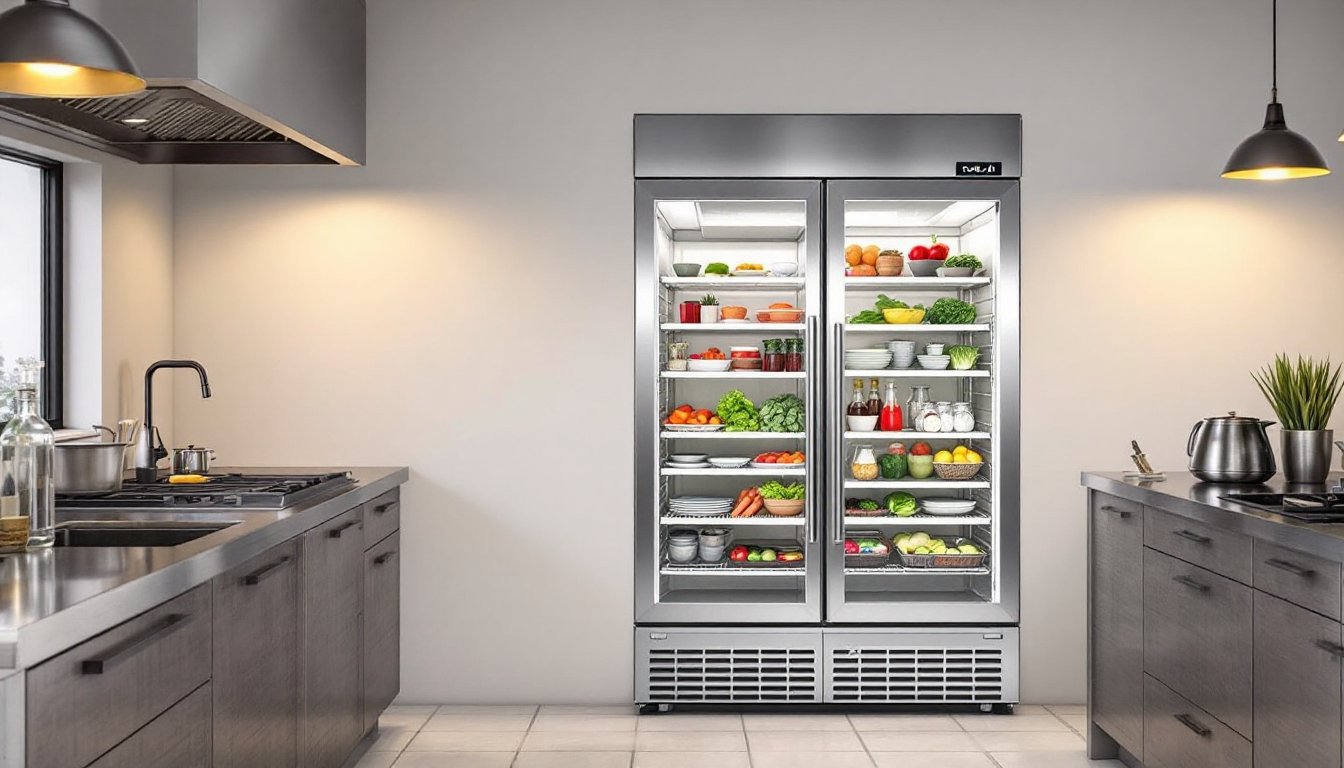
These refrigerators use heavy-duty construction with stainless steel exteriors (on most models) and commercial-grade compressors. The interior layout often features adjustable shelving, wide-opening doors, and designs optimized for quick access and easy cleaning. If you’ve ever noticed a restaurant or grocery store cooler that stays perfectly cold and opens smoothly, you’ve likely seen industrial-grade equipment similar to what Turbo Air manufactures. For homeowners, the appeal is simple: you get that same reliability at a scale suited to a residential kitchen.
Key Features and Benefits to Know
Cooling Performance and Temperature Control
Turbo Air refrigerators maintain tight temperature control, typically holding units between 32°F and 38°F for fresh food sections. This consistency is critical, temperature swings can spoil food and waste energy. Most Turbo Air models use high-efficiency compressors and evaporator coils designed to pull heat out quickly and maintain stable conditions even during heavy use or frequent door openings.
Many units feature digital thermostats with audible alarms that alert you if temperatures drift outside the desired range. Some premium models include remote monitoring capability, so you can check your fridge’s status from your phone. This is especially useful if you’re storing expensive ingredients, meal-prepped items, or if you live in an area prone to power fluctuations. The cooling systems in these units are built to handle high-volume access, if you’re opening the door multiple times per hour, the compressor works harder to recover, and Turbo Air models are engineered to handle that load.
Energy Efficiency and Cost Savings
Commercial refrigerators historically consumed a lot of electricity, but newer Turbo Air models are far more efficient than older generations. Look for units rated with ENERGY STAR certification or equivalent if energy cost is a concern. Modern models use improved insulation, better-sealed doors, and optimized compressor cycles to reduce runtime without sacrificing performance.
The upfront cost of a Turbo Air refrigerator is typically higher than a standard residential fridge, expect to spend anywhere from $2,000 to $6,000+ depending on capacity and features, though actual prices vary by region and dealer. But, the efficiency improvements and longer lifespan (often 10+ years with proper maintenance) can offset that initial investment. If you’re running a home-based catering business, wine bar, or meal prep operation, the electricity savings and extended shelf life of foods, reducing spoilage and waste, often justify the higher purchase price within a few years. For casual home use, the payoff is less dramatic but still worth considering if you keep the unit for a decade or more.
Popular Models and Styles
Turbo Air offers several refrigerator styles tailored to different needs and kitchen spaces. Undercounter and compact units are perfect for tight kitchens, basements, or as supplemental cooling near a prep area. These typically hold 4 to 12 cubic feet and can slide under countertops at standard heights.
Reach-in refrigerators are the workhorses of most commercial kitchens. They stand around 6 to 7 feet tall, feature multiple shelves, and provide quick access without requiring you to bend down or dig through a pile of items. Capacities usually range from 20 to 50+ cubic feet. If you do serious entertaining, run a catering operation, or simply stock large quantities, a reach-in model is practical.
Upright and side-by-side configurations mimic the layout of home freezer-fridge combos but with commercial durability. These are ideal if you want a familiar look and split fresh and frozen storage. Chest and slide-lid models maximize storage in a compact footprint and are excellent for bulk storage or if depth is your limiting factor.
When browsing models, check the door swing clearance and depth measurements against your available space. Also note whether the unit has adjustable shelving, this flexibility helps organize tall items, trays, or bulk ingredients. Built-in versus freestanding options affect installation and aesthetic fit, so verify that detail before ordering.
How to Choose the Right Model for Your Home
Start by assessing your actual cooling needs. Count how much fresh food you typically store and how often you restock. A serious home cook or someone meal-prepping for a week might need only a standard 26 to 30 cubic feet, while a catering operation or large family might require 40+ cubic feet. Oversizing wastes energy and money: undersizing forces you to supplement with an older, less efficient unit.
Measure your installation space carefully. Note the height, width, and depth of the area, including any overhead clearance if the unit sits under a cabinet. Turbo Air models are bulky, and squeezing one into a space that’s too tight creates installation headaches and restricts door swing. Call the dealer or manufacturer to confirm actual dimensions (not just the product specs), nominal dimensions often differ from usable footprint.
Consider your kitchen’s layout and traffic flow. If you have limited counter space, an undercounter unit makes sense. If you need frequent access and like having freezer and fridge in one footprint, a side-by-side works better. Think too about noise levels, commercial compressors are audible, so if your kitchen is near living areas, budget for that sound during peak cooling cycles.
Reviews from actual users and product testing at major appliance review sites can highlight reliability and ease-of-use. Turbo Air units generally score well for durability, but specific models may have quirks (e.g., difficult-to-adjust shelving, harder-to-clean corners). Look for feedback about after-sales support and availability of replacement parts in your region, commercial-grade appliances can be harder to service than standard fridges if something breaks.
Finally, verify warranty coverage. Most Turbo Air models come with 1 to 3 years of parts and labor coverage, though commercial units sometimes offer longer terms. Understand what’s covered (compressor, sealed system, wiring) versus what’s not (cosmetic damage, wear items). Check whether local service is available or if repairs require shipping the unit.
Installation and Maintenance Tips
Installation of a large refrigerator requires careful planning. Most Turbo Air units are heavy, expect 200 to 500+ pounds depending on size, so you’ll likely need at least two people and a dolly. Check the delivery service: some dealers include installation, others don’t. If you’re responsible for placement, ensure the floor is level and can support the weight without sagging (concrete is ideal: joists or lightweight floors may need reinforcement).
Allow the unit to sit upright for at least 4 to 6 hours after delivery before plugging it in. This lets the refrigerant settle if the unit was transported horizontally. Position the fridge at least 3 to 6 inches away from walls on sides and back to allow air circulation around the condenser coils. Poor airflow causes overheating, longer compressor run times, and premature failure. If the manual specifies clearance, follow it exactly.
Plugged into a dedicated, properly grounded outlet. If your kitchen’s electrical circuit is already maxed out, hire a licensed electrician to add a dedicated 15 or 20-amp circuit, attempting to run a commercial fridge on an overloaded line is a fire and food-safety hazard. Check local electrical codes (NEC standards vary by jurisdiction) to confirm your setup is compliant.
Maintenance is straightforward but non-negotiable. Clean the condenser coils (usually located on the back or bottom) every 2 to 4 months using a soft brush or vacuum with a brush attachment. Dust and debris clog coils, forcing the compressor to work harder and shortening its lifespan. Clean door seals monthly with a damp cloth and mild detergent to prevent mold and ensure a tight seal. Check hinges and adjust doors if they sag, a misaligned door won’t seal properly. Defrost frozen buildup if your model uses a manual defrost cycle, or ensure automatic defrost drain lines are clear. Replace air filters (if equipped) per the manufacturer’s schedule.
Troubleshooting common issues: If the unit runs constantly and doesn’t reach temperature, check the thermostat setting and condenser coils first. If the door doesn’t close firmly, verify the gasket is clean and the frame isn’t warped. If you hear unusual compressor noise, make sure the unit is level and vibration isn’t transmitting to surrounding cabinetry. For persistent problems, no cooling, compressor won’t start, or sealed system leaks, contact a qualified commercial refrigeration technician. Attempting DIY repairs on sealed refrigerant systems is illegal in most jurisdictions and voids warranty coverage.