
Table of Contents
ToggleSugar ants are a persistent household nuisance, especially in kitchens where food residue and moisture create the perfect breeding ground. These tiny invaders, often less than 1/8 inch long, can infiltrate your home by the hundreds, forming trails that seem to appear overnight and contaminating food supplies. Unlike carpenter ants or fire ants, sugar ants (also called pharaoh ants) don’t cause structural damage, but their relentless foraging can quickly become a frustrating problem. The good news: you can eliminate them effectively with the right approach, whether you choose natural solutions, DIY baits, or professional-grade treatments. This guide walks you through identifying the problem, tackling the infestation, and preventing future invasions so you can reclaim your kitchen.
Key Takeaways
- A sugar ant killer strategy should target the entire colony, not just visible workers, by using baits like borax paste or commercial products that ants carry back to their nest.
- DIY solutions including borax baits, food-grade diatomaceous earth, and essential oil sprays are effective for early-stage infestations and cost significantly less than professional treatment.
- Prevention is the most powerful sugar ant killer: eliminate food sources by using airtight containers, fix moisture problems, seal entry points with caulk, and maintain yard clearance away from your foundation.
- Pheromone trails reveal where ants are traveling—disrupting them with vinegar or cinnamon oil forces ants to reestablish routes, helping you identify entry points and nest locations.
- If DIY efforts fail after 3–4 weeks, professional pest control ($150–$500) is justified, as they can locate hidden colonies in walls and offer retreatment warranties.
What Are Sugar Ants and Why They Invade Your Home
Sugar ants aren’t actually a single species, the term typically refers to odorous house ants or pharaoh ants, both attracted to sweet and greasy foods. They’re drawn to your home because they’re looking for two things: food and moisture. A few crumbs, a sticky residue on a countertop, or a leaking pipe can signal an all-you-can-eat buffet to a scout ant, which then recruits hundreds of colony members using chemical pheromone trails.
These ants are persistent because they operate as a superorganism, if you kill a few workers, more arrive to take their place. The real problem is the nest itself, which can be hidden in wall voids, under floorboards, or outside near your foundation. Even tiny entry points (cracks around windows, gaps in baseboards, holes where pipes enter) are highways for sugar ants. Understanding their behavior is crucial: you’re not just killing visible ants: you’re disrupting their supply chain and eliminating the source.
Identifying Sugar Ant Infestations Before They Spread
Catching a sugar ant problem early stops it from becoming a nightmare. Look for thin, visible pheromone trails, faint lines of ants marching single-file from a food source to entry and exit points. These trails often run along baseboards, countertops, or under cabinets. If you spot one trail, there are dozens you can’t see yet.
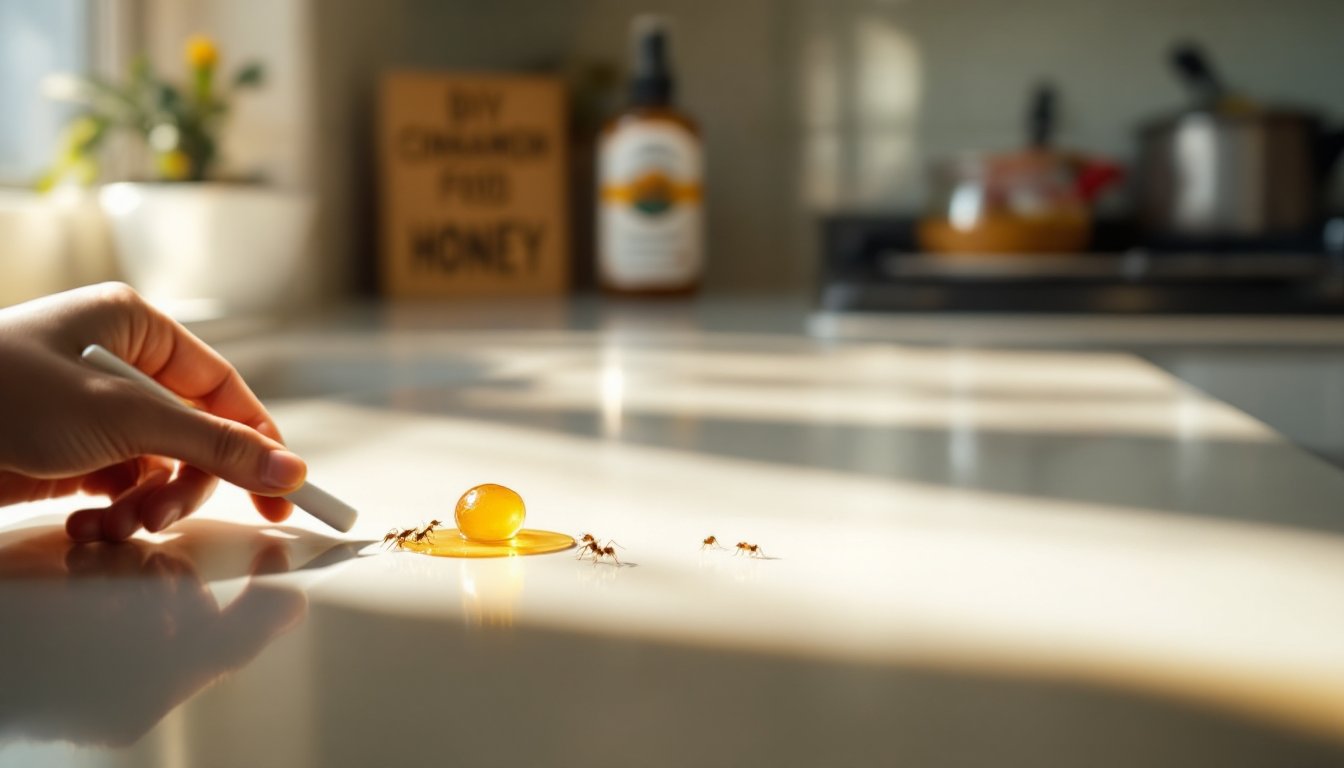
Other telltale signs include small piles of debris or sand-like droppings near baseboards or under sinks, and ants clustering around open food, pet bowls, or trash cans. Run your finger along suspected trails to disrupt the scent markers, then watch where the ants regroup, they’ll rebuild the trail toward their destination, giving you clues about entry points and nest location.
Check warm, moist areas first: under kitchen sinks, around dishwashers, and inside cabinet bottoms. Sugar ants need water: they congregate where moisture lingers. If you’re unsure whether you have sugar ants or a different species, collect a few in a clear container with a cotton swab and photograph them, this helps immensely if you later consult a pest professional.
Natural and DIY Sugar Ant Killer Solutions
Before reaching for harsh chemicals, try these proven natural approaches that work best for early-stage infestations or as preventive maintenance.
Cinnamon and Essential Oils
Cinnamon, peppermint, and clove oils are natural ant repellents. Mix 20 drops of cinnamon or peppermint essential oil with 2 cups of water in a spray bottle and apply along baseboards, entry points, and trails. Reapply daily for a week. It won’t kill the colony, but it disrupts trails and forces ants to seek alternatives.
Borax and Sugar Baits (DIY Ant Killer)
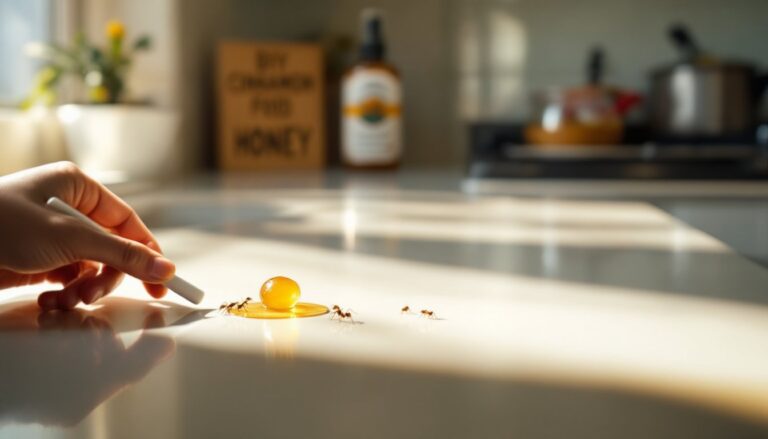
This is the gold standard for DIY sugar ant control, and it works because ants carry the poison back to the nest. Mix 1 part borax, 3 parts powdered sugar, and 1 part water to form a paste. Apply small dabs (about the size of a pea) on cardboard or cotton balls near ant trails, out of reach of children and pets. Wear disposable gloves when handling borax.
The ants eat the bait, carry it to the colony, and the borax slowly kills the entire nest over 1–2 weeks. This approach requires patience: don’t spray pesticides or clean trails immediately, as you’ll interrupt the bait’s effectiveness. Leave baits undisturbed for at least 7 days.
Diatomaceous Earth (Food-Grade)
Food-grade diatomaceous earth (DE) is safe around food prep areas and pets. It works by dehydrating insects’ exoskeletons. Dust a thin layer along baseboards, under appliances, and entry points. Reapply after vacuuming or cleaning. DE takes longer than baits (2–3 weeks) but poses minimal risk to humans and pets. Wear a dust mask to avoid inhaling powder.
Vinegar Trails and Cleaning
White vinegar destroys pheromone trails and deters ants. Mix equal parts vinegar and water and wipe down all kitchen surfaces, paying special attention to counters, cabinets, and baseboards where trails run. Do this daily for a week to erase chemical markers and force ants to relocate their routes.
Professional Chemical Treatments for Severe Infestations
If DIY methods don’t work after 2–3 weeks, or if the infestation is severe, over-the-counter and professional baits are highly effective.
Commercial Ant Baits
Products like Terro Ant Baits or Amdro Ant Blocks contain slow-acting insecticides (typically fipronil) mixed with sugar. The formula is designed so ants ingest it, survive long enough to return to the nest, and expose the entire colony. These are safer around homes than spray pesticides because the active ingredient is contained in a bait station, not dispersed in the air. Place baits where you see trails, and don’t clean the area for at least 72 hours.
Liquid Baits and Gels
Liquid baits like Advion Gel work faster than solid baits and are effective for severe infestations. Apply small dots along trails and entry points. Wear nitrile gloves and avoid skin contact. Follow label instructions precisely about application and ventilation.
When to Use Sprays
Generally, avoid broad-spectrum insecticide sprays (like Raid) because they kill foragers but don’t reach the nest, and surviving ants may relocate the colony deeper into walls. Sprays are only useful as a last resort for active swarms or when you can directly treat the nest site itself, which often requires identifying hidden entrances or drilling into walls. This is where a professional becomes necessary.
Prevention: Keeping Sugar Ants Out of Your Home for Good
The best sugar ant killer is never needing one. Prevention requires discipline and attention to food storage and moisture control.
Eliminate Food Sources
Store dry goods in airtight containers, glass or plastic with tight-fitting lids. Don’t leave fruit on counters: refrigerate ripe bananas, apples, and berries. Wipe down spills immediately with vinegar and water. Empty trash daily and rinse sticky containers (soda bottles, condiment jars) before placing them in the bin. Pet food is a magnet for ants: feed pets on a schedule and remove uneaten food within 2–3 hours.
Fix Moisture Issues
Repair leaking pipes, faucets, and dishwashers, a dripping sink under the cabinet is like an oasis to ants. Run dehumidifiers in damp basements or crawl spaces. Ensure gutters drain away from the foundation: standing water attracts ants searching for hydration.
Seal Entry Points
Use silicone caulk or acrylic latex caulk to seal gaps around baseboards, window frames, and where pipes or utility lines enter the home. Caulk cracks in exterior walls and around door frames. These efforts don’t just stop ants, they improve energy efficiency and reduce pest entry overall. A fresh bead of caulk takes 30 minutes and costs under $5 per tube.
Yard Maintenance
Move firewood, mulch, and compost at least 3 feet away from your foundation. Trim vegetation touching exterior walls, ant colonies hide in landscaping. Keep the perimeter clear so you can spot early infestations before they enter the home.
When to Call a Professional Pest Control Service
You should contact a pest control professional if:
- DIY and over-the-counter baits haven’t resolved the infestation after 3–4 weeks of consistent effort.
- The infestation spreads to multiple rooms or upper floors (sign of nesting within walls or attic).
- You’re unable to locate entry points or the nest site.
- You have concerns about handling insecticides near children, pets, or food prep areas.
Professional pest control services use stronger formulations, better equipment, and expertise in locating hidden colonies. They also inspect your home for conducive conditions and recommend structural repairs. On platforms like Angi, you can review local pest control providers, read ratings, and get cost estimates before committing. A typical service call costs $150–$500 depending on severity and region, but it’s worth it to avoid months of frustration. Professionals often offer warranties, if ants return within 30–60 days, they’ll retreat at no charge.
Conclusion
Killing sugar ants requires patience, consistency, and the right tool for your situation. Start with natural repellents and DIY borax baits: they’re inexpensive, low-risk, and surprisingly effective for early infestations. If that doesn’t work, switch to commercial baits. Pair whatever treatment you choose with meticulous prevention, clean surfaces, seal cracks, fix moisture problems, and store food properly. Most homeowners eliminate sugar ant problems within 2–4 weeks using these methods. If you’re still seeing trails after a month of effort, don’t hesitate to call a professional. The goal isn’t just to kill today’s ants: it’s to keep them from coming back next summer.