
Table of Contents
ToggleDark brown kitchen cabinets have made a strong comeback in 2026, moving well beyond the dated espresso-cabinet trend of the early 2010s. Today’s chocolate brown modern and dark brown kitchen cabinets offer homeowners a sophisticated, versatile foundation that works just as well in contemporary spaces as in transitional designs. A kitchen with dark brown cabinets doesn’t have to feel heavy or dated, when paired thoughtfully with lighting, countertops, and backsplash materials, it becomes a striking focal point. Whether you’re renovating from scratch or refreshing your existing cabinetry, understanding how to work with dark tones, what complementary materials to choose, and how to keep them looking sharp is essential. This guide walks you through everything you need to know to make dark brown cabinets work beautifully in your home.
Key Takeaways
- Dark brown kitchen cabinets have evolved beyond outdated espresso trends and now deliver a sophisticated, versatile foundation that works across contemporary, transitional, and modern farmhouse designs.
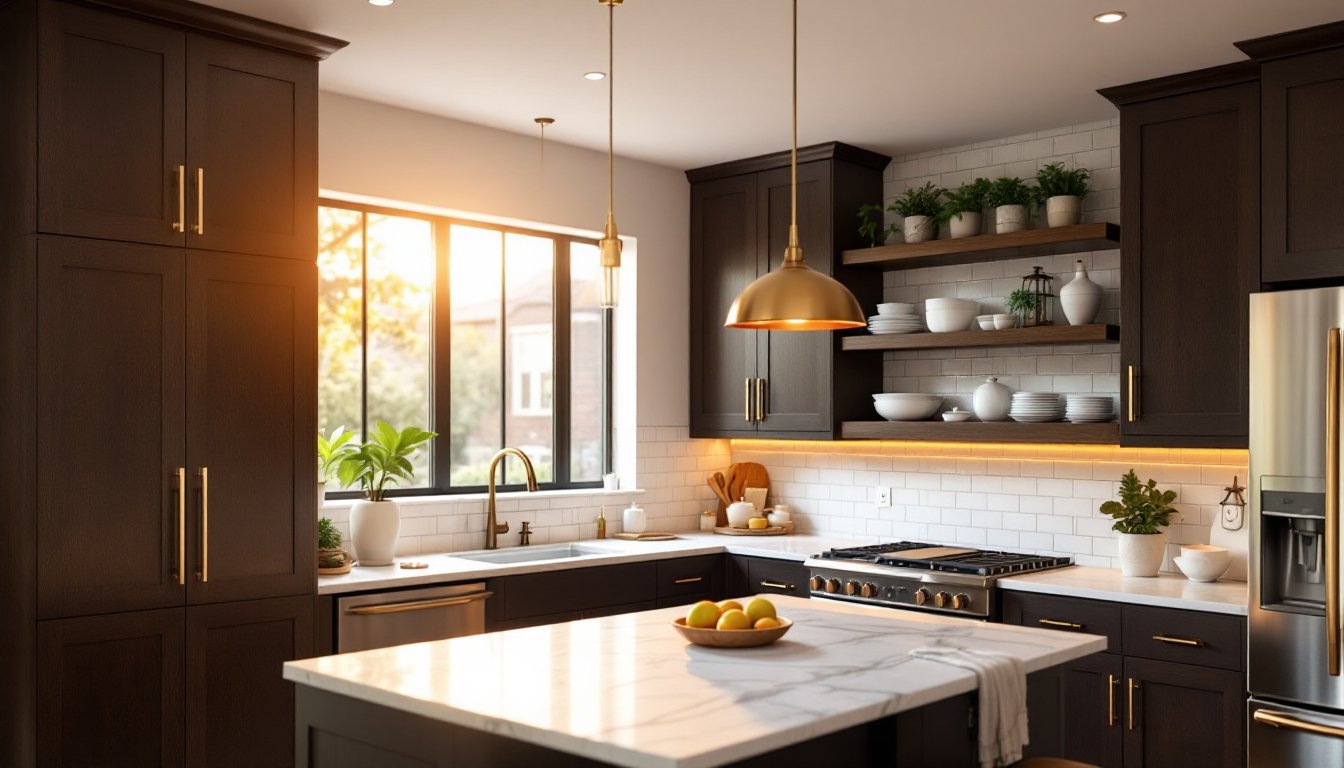
- Pair dark brown cabinets with light countertops (white quartz, marble, or pale grey) and bright backsplash materials like subway tile or metallic finishes to prevent the kitchen from feeling monochromatic and heavy.
- Layered lighting—including under-cabinet LEDs, pendant lights, and recessed downlights—is essential to brighten dark brown kitchens and prevent them from feeling cramped or gloomy.
- Dark finishes naturally mask fingerprints and dust better than lighter woods, reducing maintenance demands while adding rich visual depth to open-plan layouts.
- Budget-friendly updates like cabinet refinishing (40–60% less than replacement), hardware swaps, or accent painting on islands can transform dark brown cabinets without a full remodel.
- Maintain dark brown cabinets with pH-neutral wood cleaner, wipe spills immediately to prevent water damage, and run exhaust fans during cooking to manage humidity and extend cabinet life.
Why Dark Brown Cabinets Are a Smart Design Choice
Design Benefits and Visual Impact
Dark brown cabinets deliver several practical and aesthetic advantages that explain their resurgence in contemporary kitchen design. Unlike lighter woods or finishes that show fingerprints and dust readily, dark finishes mask daily wear, making maintenance feel less demanding. From a design perspective, dark tones create depth and definition in a kitchen, especially in open-plan layouts where you want the cabinetry to anchor the space without overwhelming it.
The chocolate brown modern aesthetic works because it’s genuinely neutral, it pairs with nearly any countertop material, from pale quartz to dramatic black granite, and complements both warm and cool color palettes. A kitchen with dark brown cabinets can feel cozy and intimate or clean and contemporary, depending on your hardware, lighting, and wall finishes. The visual weight of dark cabinetry also helps define kitchen zones in larger homes, preventing that open-concept sprawl where everything blends together. Many designers appreciate dark brown cabinets because they add richness without the starkness of pure black or the coldness of charcoal grey.
Popular Styles That Work With Dark Brown Cabinetry
Dark brown cabinets shine across multiple design genres, and the style you choose shapes how formal, casual, or modern your kitchen feels. Modern farmhouse pairs dark cabinetry with open shelving, vintage hardware, and soft warm lighting for a collected, approachable vibe. This approach works exceptionally well if you’re aiming for something that feels lived-in rather than sterile.
Transitional kitchens, the biggest segment in residential remodels, leverage dark brown cabinets as a bridge between traditional and contemporary. Shaker-style doors with brushed-nickel pulls, quartz counters, and subway tile create balance. The dark tones prevent the space from feeling too trendy while modern materials keep it current.
Contemporary and minimalist designs use dark brown or chocolate brown modern cabinetry with flat-panel or slab door styles, minimal hardware (or handle-less options), and plenty of white or light-grey walls to prevent the kitchen from feeling cave-like. Stainless-steel appliances complement this approach naturally.
Mid-century modern kitchens pair dark brown cabinets with tapered legs, brass or teak accents, and period-appropriate lighting fixtures. If you’re drawn to 1960s–70s aesthetics, dark brown is authentically aligned with that era. Design inspiration on Remodelista showcases how professional designers balance dark cabinetry across these styles without repeating themselves.
Choosing the Right Counter and Backsplash Combinations
The success of dark brown cabinets hinges on pairing them with the right surrounding surfaces. Countertop choices matter enormously. Light quartz, marble, or granite provides visual relief and prevents the kitchen from feeling too monochromatic. White, cream, or pale grey counters are the safest, most versatile choices. If you prefer warmer tones, butcher-block or natural wood countertops create a rich, organic contrast. Avoid counters in similar brown tones, they’ll merge with the cabinetry and lose definition.
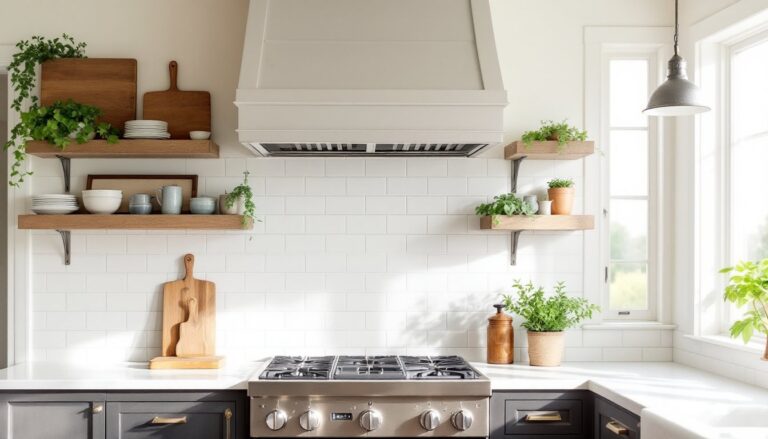
Backsplash materials offer another opportunity to balance dark cabinetry. Classic white subway tile is timeless and brightens the space. Glass or metallic tiles catch light and add visual interest. For a bolder approach, consider cement tile or patterned porcelain in greys, creams, or soft blues. Some homeowners opt for open shelving in this zone, displaying white dishware or plants to break up the dark cabinetry mass.
Island and accent surfaces can introduce secondary colors. A contrasting island in white, grey, or even a lighter wood creates a focal point and prevents visual fatigue. If your kitchen feels too dark during initial mock-ups, adding a light-colored island or cart often solves the problem without re-doing cabinetry. Kitchen design resources on The Kitchn document real examples of dark brown cabinets paired with various counter and backsplash combinations, showing which pairings feel fresh versus dated.
Lighting Solutions to Brighten Dark Brown Kitchens
Lighting is non-negotiable when working with dark brown kitchen cabinets. Without proper illumination, the space risks feeling cramped and gloomy, especially in kitchens with limited natural light. Layered lighting is the professional approach: combine ambient ceiling fixtures, task lighting under cabinets, and accent lighting to create depth and warmth.
Under-cabinet LED strips are the workhorse of dark kitchens. They illuminate countertops for meal prep, reduce shadows, and make the cabinetry itself appear lighter by drawing the eye upward. Warm white LEDs (2700K–3000K) feel inviting: cooler temperatures (4000K) suit modern aesthetics but can feel clinical in excess.
Pendant lights above an island or bar counter add both function and personality. Brushed brass, matte black, or even Edison-style fixtures complement dark cabinetry without competing. Ensure pendants hang 30–36 inches above the counter surface for optimal task lighting and visual balance.
Ceiling fixtures shouldn’t be overlooked. Recessed downlights spaced 4–6 feet apart provide general illumination without visual clutter. If your kitchen has cathedral or vaulted ceilings, consider track lighting or semi-flush mounts to avoid shadows cast by deep cabinetry.
Natural light from windows or skylights is a game-changer. If your layout allows, window placement that washes the dark cabinetry with morning or afternoon light dramatically shifts how the kitchen feels throughout the day.
Budget-Friendly Ways to Update Your Cabinets
If you already have dark brown cabinets or want to refresh existing ones without full replacement, several cost-effective options exist. Cabinet refinishing, sanding, priming, and painting, costs roughly 40–60% less than new cabinetry and can be a solid DIY project if you’re comfortable with prep work. The catch: sanding and staining kitchen cabinets is labor-intensive and requires proper ventilation, quality primer, and durable cabinet-grade paint. Most professionals recommend acrylic latex or conversion varnish over standard household paint for longevity.
Cabinet refacing replaces door and drawer fronts while keeping the existing box structure. This middle-ground option works if your cabinet frames are structurally sound. Cost runs 30–50% less than replacement, and timelines are faster (5–7 days versus 2–3 weeks for a full remodel).
Hardware and accent updates offer the quickest transformation. Swapping drawer pulls and cabinet handles from dated brass to modern brushed nickel, matte black, or even leather handles changes the visual impact dramatically. Budget $200–$500 for a full kitchen’s hardware.
Paint accents on an island or open shelving introduce color contrast without touching all cabinetry. Light grey, white, or even a soft sage can brighten zones while keeping dark brown as your primary cabinet color. Interior design inspiration on Homify shows examples of partial updates that deliver high visual impact for modest budgets.
Maintenance and Long-Term Care Tips
Dark finishes demand consistent care to avoid streaking, water marks, and fingerprints becoming visible. Weekly cleaning with a soft microfiber cloth and pH-neutral wood cleaner keeps cabinets looking fresh. Avoid ammonia-based cleaners, which can strip finishes over time. For stubborn marks, a slightly damp cloth works better than dry wiping.
Prevent water damage by wiping spills immediately, especially around sink areas and under appliances where condensation accumulates. Wood cabinets (even finished ones) swell and warp with prolonged moisture exposure. Ensure exhaust fans run during and 20 minutes after cooking to manage humidity.
Hardware maintenance keeps your kitchen feeling intentional. Polished or brushed finishes attract fingerprints, so wipe handles frequently. Tighten hinges and screws annually, loose hardware ages a kitchen faster than finish wear. Most cabinet manufacturers recommend professional re-coating every 10–15 years depending on usage and humidity levels, though quality finishes hold up longer.
Avoid direct sunlight exposure if possible. UV rays fade even dark finishes over decades. If your kitchen receives strong afternoon light, consider light-filtering window treatments to slow fading and reduce heat buildup.
Proper acclimation before installation matters too: new cabinets should sit in your kitchen for 48 hours before installation to adjust to ambient humidity and temperature, reducing the risk of warping and joint separation down the line.