
Table of Contents
ToggleDeep cleaning your carpets isn’t a luxury, it’s maintenance. Over time, carpets trap dust, pet hair, allergens, and stubborn stains that vacuum cleaners can’t reach. The Bissell ProHeat carpet cleaner has become a go-to choice for homeowners tackling carpet restoration without calling in professionals. This guide walks you through what makes this machine work, who benefits most from it, and how to get the best results. Whether you’re dealing with high-traffic zones, pet accidents, or just general wear, understanding your carpet cleaner’s capabilities helps you make a smart investment and keep your floors looking fresh for years.
Key Takeaways
- The Bissell ProHeat carpet cleaner uses heated water (roughly 200°F) and brushroll agitation to remove ground-in dirt and stubborn stains far more effectively than standard vacuums or cold-water machines.
- Ownership breaks even financially after 5–8 uses compared to $40–75 daily rental fees, making it a smart investment for homeowners planning to clean 2–4 times per year.
- Pet owners and parents benefit most from this machine, as the heated water penetrates deeper to eliminate pet odors, bacteria, and stubborn messes that spot-cleaning alone cannot address.
- Proper maintenance—emptying tanks, rinsing the brushroll, flushing hoses with vinegar, and checking seals—extends the lifespan of your Bissell ProHeat from five to ten years.
- The machine’s extraction power and quick-dry mode reduce carpet drying time to 6–12 hours and minimize mildew risk, letting your household return to cleaned areas faster.
What Makes the Bissell ProHeat Stand Out
Key Features and Technology
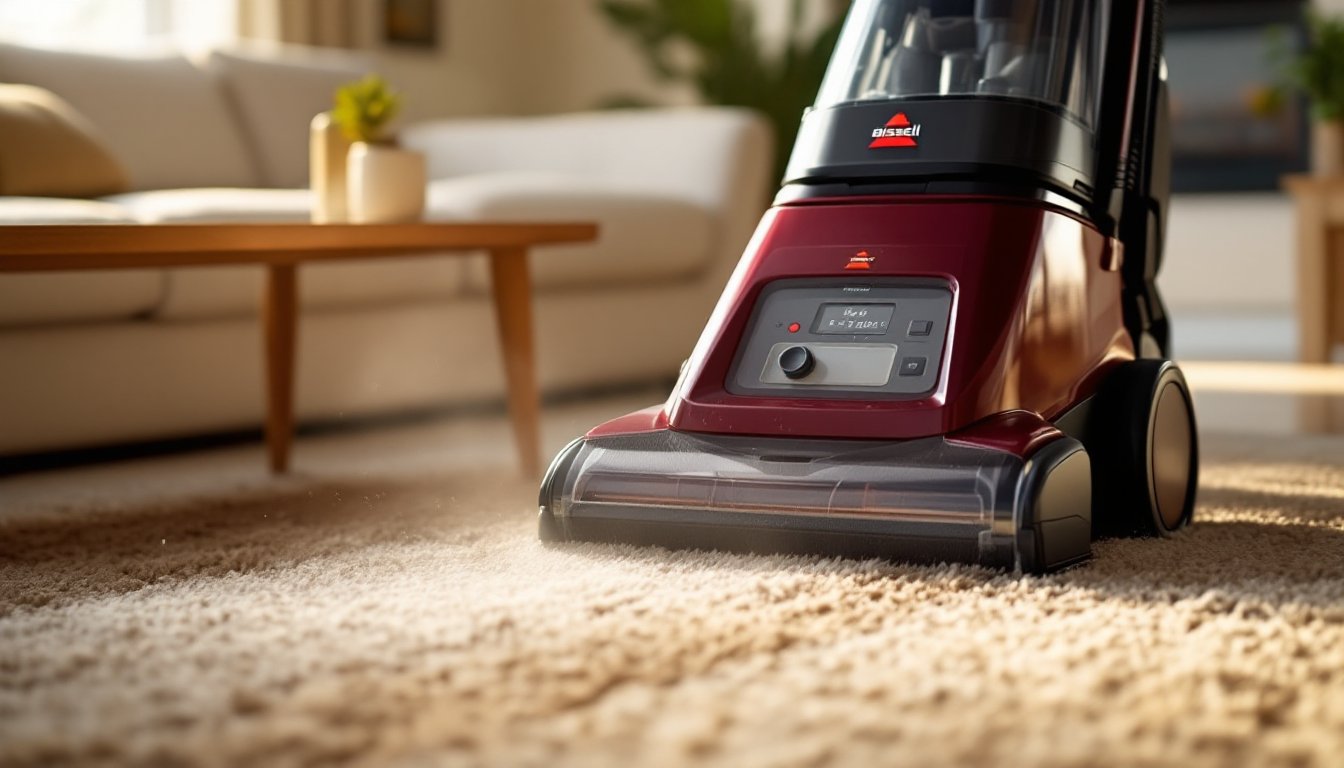
The Bissell ProHeat combines heated water cleaning with powerful suction in a machine built for residential use. The key difference from standard vacuums is heat, water heated to roughly 200°F loosens ground-in dirt and dissolves dried stains far more effectively than cold or room-temperature water. The machine uses a dual-tank system: one tank holds fresh cleaning solution, the other collects dirty water. This separation means you’re always cleaning with fresh solution, not redepositing soil back onto your carpet.
The heating system is where efficiency matters. Unlike budget carpet cleaners that rely on ambient water temperature, the ProHeat maintains consistent heat throughout your cleaning session. This translates to faster drying times and better soil removal, especially on synthetic fibers common in modern home carpets. The brushroll agitation, think of it as a motorized brush that scrubs the carpet pile, works in combination with hot water to break down stubborn spots. Most homeowners notice deeper cleaning results compared to cold-water machines or rental units sitting in grocery stores.
Another practical advantage: the quick-dry mode reduces moisture in your carpet fibers, minimizing mildew risk and letting you walk on cleaned areas sooner. If you have kids or pets, that feature alone saves days of avoiding freshly cleaned rooms. The machine’s compact design compared to older Bissell models also means better maneuverability in tight hallways and around furniture, an underrated detail when you’re pushing weight across your home for hours.
Who Should Consider This Machine
The Bissell ProHeat makes sense for homeowners with moderate to heavy carpet traffic and a genuine commitment to maintaining their floors. If you rent or have minimal carpet, a rental unit from a hardware store might be cheaper per use. But if you own your home, have more than one carpeted room, and plan to clean 2–4 times per year, owning beats renting practically every time. The math changes fast: rental fees run $40–75 per day, and a quality machine pays for itself in fewer than 20 uses.
Pet owners especially benefit from this machine. Accident cleanup becomes routine instead of emergency-level expensive. The heated water and brushroll combination handles pet odors better than spot-cleaning alone, since hot water penetrates deeper where bacteria lives. Parents dealing with juice spills, tracked-in mud, and general wear also find the investment worthwhile, carpet spot-cleaning fails on large, stubborn messes that a machine handles in one pass.
If you have allergies or asthma, deep cleaning removes trapped allergens vacuums miss. The extraction power matters here: leaving water behind means mold and dust mites can resurface. The ProHeat’s suction-based extraction, combined with heat, addresses that concern more effectively than passive machines. For light cleaning needs, a spotless apartment with one small bedroom, a canister extraction unit might be overkill. For most homeowners with 800+ square feet of carpet, though, this machine fits the use case well.
Getting Started: Setup and First Use
Before your first clean, read the manual and assemble the machine in a well-lit area. The tanks are straightforward: the clean-water tank sits in back, and the dirty-water tank clips into the main body. Fill the clean-water tank with hot tap water (not boiling, too hot can damage seals) and add the recommended amount of carpet cleaning solution. Bissell makes proprietary solutions, but alternatives work: just avoid excessive soap, which leaves residue that attracts dirt faster.
Attach the brushroll and hose connections firmly, loose connections cause leaks and reduce cleaning power. Check that the power cord has no damage before plugging in. Run a test cycle in a closet or inconspicuous corner of one room to see how the machine performs and get comfortable with handling. The weight and push-back from brushroll agitation might surprise you: proper stance, knees slightly bent, letting the machine do the work rather than forcing it, prevents back strain.
Prepare your carpet by vacuuming thoroughly first. The Bissell ProHeat cleans best on debris-free carpet, since excess dust and hair clog the brushroll and reduce suction. Move lightweight furniture, pick up toys and objects, and close off rooms you won’t be cleaning. Allow the machine a few minutes to heat water between tanks, patience here means better results. Start with light traffic areas like bedrooms, then work toward high-traffic zones like hallways and living rooms where the machine’s heating and agitation tackle heavier soiling.
Cleaning Performance and Results
Real-world performance depends on carpet fiber type, soiling level, and your technique. Nylon and polyester carpets (the industry standards in residential homes) respond well to heated water cleaning, with visible color recovery in many cases. Older, heavily-matted traffic lanes usually require multiple passes, don’t expect one sweep to undo years of wear. The machine’s heating system and brushroll combo handle ground-in dirt effectively, though truly stubborn stains (old marker, permanent dye) may need pre-treatment with spot-cleaning solutions before running the machine.
According to independent testing, the Bissell ProHeat ranks competitively among home-use carpet cleaners for suction power and soil removal. Homeowners who’ve tested similar models note that consistent heat throughout the cleaning cycle makes a noticeable difference compared to budget alternatives. The extraction (how much dirty water it pulls out) determines drying time, better extraction means carpets dry in 6–12 hours instead of 24–48 hours.
Pet accidents need immediate attention for best results. Fresh stains extract almost completely: old, set-in spots benefit from enzyme-based pre-treatments or multiple passes with the machine. For general maintenance cleaning, most homeowners run the Bissell ProHeat over their entire carpeted area annually or biannually, refreshing color and reducing allergen buildup. High-traffic spots benefit from more frequent attention, monthly or quarterly spot-cleaning with the machine extends the life of your carpet investment by years compared to neglecting maintenance until replacement becomes necessary.
Maintenance and Care Tips
Proper maintenance separates machines that last five years from those lasting ten. After each use, empty both tanks completely, standing water breeds mold and odor. Rinse the dirty-water tank and let it air dry. The clean-water tank should be refilled fresh for your next session: old solution left sitting turns into bacterial growth. The brushroll needs attention too: hair wraps around the bristles and reduces cleaning power. Cut wrapped hair away with scissors after each session, and rinse the brushroll with warm water.
Hoses and connections accumulate mineral deposits from hard water (more of an issue in areas with high mineral content). Monthly flushing with diluted white vinegar prevents clogs that reduce suction and heat transfer. Check seals around tank connectors regularly, worn seals let water escape and reduce suction effectiveness. Bissell sells replacement parts affordably, and swapping a seal takes minutes compared to professional service. The heating element needs regular attention too: descaling with a commercial descaler (follow manufacturer instructions) keeps heat output consistent and prevents performance degradation.
Store the machine upright in a dry area, never in damp basements or outdoor sheds where moisture and temperature swings damage seals and electronic components. Run a cleaning cycle with plain water once monthly to flush internal passages and prevent solution buildup. These small steps cost almost nothing and add years to your machine’s life. Skipping maintenance turns a five-figure-lifespan machine into a frustrating paperweight within a few years, preventive care is far cheaper than replacement.
Is the Bissell ProHeat Right for Your Home
Before committing, honestly assess your cleaning needs and budget. Heated-water carpet cleaning machines represent a mid-range investment, expect to spend between $300 and $600 for a quality home-use model like the ProHeat. Rental units cost $40–75 per use, so 5–8 rentals equals ownership. If you clean your carpets more frequently than that, buying makes financial sense.
Consider your carpet type and age too. New, high-quality carpets benefit from professional deep cleaning, but a home machine handles maintenance cleaning effectively. Delicate fibers or antique rugs should stay with professionals, a home-use machine’s agitation can damage specialty materials. Standard residential nylon or polyester? The Bissell ProHeat manages that well. When reviewing options, independent testing from publications like Good Housekeeping’s carpet cleaner reviews provides real-world comparison data that marketing materials don’t.
Space and storage matter too. The machine occupies significant closet or garage real estate, so confirm you have a dedicated spot. If you live in a small apartment without storage, rental makes more sense. For houses and larger homes with basement or garage space, storage isn’t a barrier. Talk honestly with household members about who’ll operate the machine, it requires physical effort and focus. If only one family member will use it, that’s fine, but everyone should understand its care requirements. A well-maintained Bissell ProHeat carpet cleaner becomes part of your home maintenance routine, not a one-time tool sitting unused. If that fits your home and lifestyle, the investment pays dividends in carpet longevity and appearance.