
Table of Contents
ToggleA cordless drill set is the backbone of any DIY toolbox. Whether you’re hanging shelves, assembling furniture, or tackling a deck rebuild, the right drill makes the difference between a smooth afternoon and hours of frustration. But with so many cordless drill sets flooding the market, figuring out which one fits your needs, and your budget, can feel overwhelming. This guide breaks down what actually matters when you’re comparing cordless drill kits, so you can buy once and work with confidence for years to come.
Key Takeaways
- A quality cordless drill set balances power, runtime, and ergonomics—investing in a reputable brand ensures reliability and longevity over years of real work.
- Opt for an 18V to 20V cordless drill kit with 2.0 to 4.0 Ah lithium-ion batteries for optimal performance on most DIY projects without excess cost.
- Choose a drill with at least 20 preset torque levels and a 1/2-inch keyless chuck to maintain control and versatility across delicate and heavy-duty fastening tasks.
- Compare the complete package contents—batteries included, charger type, bit assortment, and carrying case—rather than base price alone to identify the best value.
- A brushless motor delivers quieter operation and extended lifespan, while a drill/driver combo kit with an impact driver spreads workload and maximizes battery efficiency for larger projects.
What Makes A Quality Cordless Drill Set Worth Your Investment
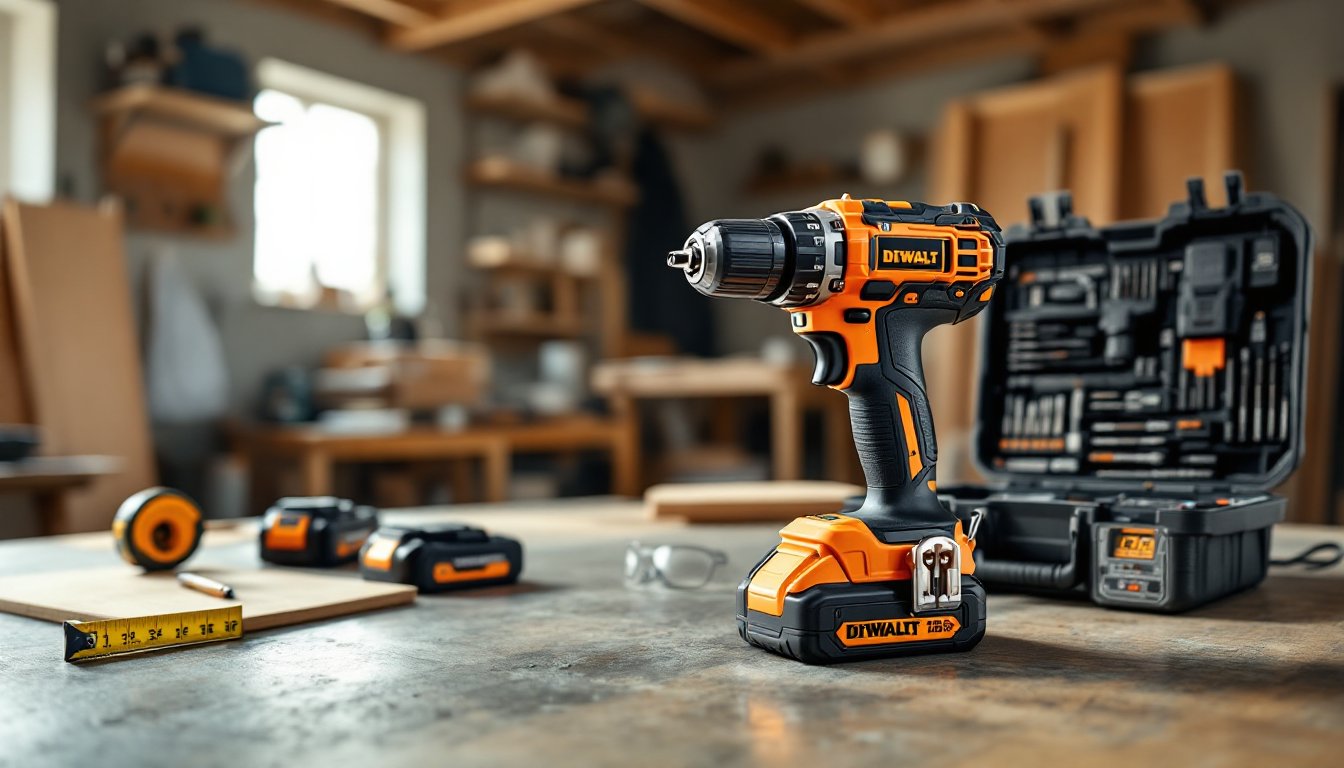
Not all cordless drill sets are built the same. A quality set isn’t just about the drill itself, it’s the entire package: the drill, batteries, charger, and case working together to get the job done.
When you invest in a reputable cordless drill kit, you’re paying for reliability and longevity. A well-made drill will handle thousands of fasteners, bore through hardwood, and keep spinning year after year. Cheaper sets often skimp on motor power, battery quality, or construction durability, meaning they’ll clog on tougher materials, die mid-project, or fail entirely within a season.
The best cordless drill sets balance power, runtime, and ergonomics. You want a drill that doesn’t wear out your hand after 20 minutes, batteries that last long enough to finish a section without swapping, and a charger that won’t leave you waiting hours between charges. A good set also includes bits and a carry case, so you’re not scrambling to source accessories before your first project.
Build quality matters too. Look for aluminum or high-impact plastic housings, sealed switches to keep dust out, and chuck designs that grip bits firmly without wobble. These details determine whether your drill survives a decade of real work or becomes a drawer orphan in two years.
Key Features To Compare When Choosing Your Drill
Before you add anything to your cart, nail down the specs that actually affect how your drill performs on real projects.
Battery Power And Runtime
Voltage is the first spec to check. Cordless drills typically come in 12V, 18V, 20V, and 40V versions. A 12V drill works fine for light fastening and small pilot holes, but struggles with tougher materials and longer sessions. 18V to 20V drills are the sweet spot for most homeowners, enough power to bore through oak joists, drive 3-inch deck screws, and handle a full day of work. 40V drills are overkill for casual DIY: those are for contractors running full jobs on site.
Battery capacity, measured in amp-hours (Ah), affects how long you can run before swapping. A 1.5 Ah battery won’t get you far on a big project. 2.0 to 4.0 Ah batteries let you work for 30 to 60 minutes on a single charge, plenty for most weekend jobs. Higher-capacity batteries take longer to recharge but mean fewer interruptions.
Look for lithium-ion batteries, which hold a charge longer and degrade slower than older nickel-cadmium types. A cordless drill kit with two batteries is ideal, use one while the other charges. Some kits include fast chargers that replenish a battery in 30 minutes, which is worth the investment if you’re running multiple projects back-to-back.
Chuck Size And Versatility
The chuck is the rotating head that grips your bits. Most homeowner drills use a 1/2-inch chuck, which accommodates standard twist drill bits and driver bits. A 3/8-inch chuck is lighter and more compact but less versatile. Avoid going smaller unless you’re only driving fasteners into drywall.
Keyless chucks (the kind you hand-tighten) are standard now and let you swap bits in seconds without hunting for a chuck key. Make sure the chuck grips firmly, a wobbly chuck will slip under load and ruin your fastener head or bore off-angle.
Torque settings are often overlooked but critical. A drill with multiple torque modes lets you dial down the power for driving screws into delicate material without stripping or oversinking. Higher torque settings are for boring hard materials. Top cordless drills tested for durability show that models with at least 20 preset torque levels give you the control needed for fine work.
Finding The Right Drill Set For Your Projects
Think about what you actually do, or plan to do, around your house before you buy.
If you’re mostly hanging drywall anchors, assembling IKEA furniture, and driving deck screws, a mid-range 20V cordless drill kit from a trusted brand is all you need. These cordless drill sets typically cost $100 to $250 and come with batteries, charger, and a basic bit assortment. Popular models have enough reserves to handle trim work, cabinet assembly, and general fastening without breaking a sweat.
For heavier work, framing, boring large-diameter holes, or running extended projects, look for a kit with higher-capacity batteries (4.0 Ah or more) and adjustable torque. A brushless motor (mentioned in product specs) is quieter, runs cooler, and lasts longer than brushed motors because there’s no friction-causing brush wear. You’ll pay more, but the motor will outlast the batteries.
If you’ve got a lot of fastening to do, a drill/driver combo kit that includes both a standard drill and an impact driver is worth considering. An impact driver has a rotating cam that delivers short bursts of torque, perfect for driving large fasteners or removing stuck bolts. Some kits bundle both tools, which spreads the work and extends battery life.
When comparing cordless drill kits, don’t just look at the base price. Count what’s included: how many batteries, the charger type, whether bits are bundled, and if there’s a carrying case. A $150 kit with two batteries, a fast charger, and a decent bit set is often a better deal than a $200 kit with one battery and a standard charger. Trusted product reviews and tech evaluations can help you compare what’s actually in each package.
Brand matters too. Stick with names that have reliable customer service and available replacement parts. A drill from an unknown brand might seem cheaper, but if the motor dies in two years, you’ll be stuck buying another.
Conclusion
A solid cordless drill set is one of the best investments a homeowner can make. Take time to match the power, battery capacity, and features to your actual projects. Don’t chase specs you won’t use, but don’t underbuy either, it’s cheaper to invest in the right tool upfront than to replace a failing drill mid-project. With the right cordless drill kit in your hands, you’re ready to tackle whatever your house throws at you.