
Table of Contents
ToggleIf you’ve noticed your home feels stuffy, smells stale, or triggers allergies more than it used to, an air purifier might be exactly what you need. Poor indoor air quality isn’t something to ignore, it affects how you sleep, your respiratory health, and how comfortable your home feels overall. Lowe’s carries a solid range of air purifiers that work across different room sizes, budgets, and specific concerns like pet dander or smoke. Whether you’re looking for a basic HEPA filter system or a smart-connected model that syncs with your phone, this guide walks you through what’s available, what features actually matter, and how to pick the right unit for your space.
Key Takeaways
- A Lowe’s air purifier with a HEPA filter captures 99.97% of particles down to 0.3 microns, improving sleep quality and reducing allergy symptoms for healthier indoor air.
- Match your air purifier to room size by checking the CADR rating and square footage coverage—undersized units won’t clean effectively.
- Smart-connected air purifier models at Lowe’s offer WiFi control and real-time monitoring, but mid-range options provide the best value and performance for most households.
- Factor in ongoing filter replacement costs ($20–$80 per filter, every 6–12 months) when budgeting for a Lowe’s air purifier to avoid unexpected expenses.
- Position your Lowe’s air purifier centrally away from walls, vacuum pre-filters monthly to extend HEPA filter life, and run it continuously or several hours daily for optimal results.
- Choose a model with activated carbon filters if you need odor and smoke control, or stick with basic HEPA-only units if you just want particle removal.
Why Air Quality Matters for Your Home
Indoor air isn’t always cleaner than outdoor air, in fact, it’s often worse. Your home traps dust, pet dander, mold spores, pollen, and volatile organic compounds (VOCs) from paint, flooring, and cleaning products. If you live near a busy road or in an area with wildfire smoke or high pollen counts, indoor air quality becomes a serious health concern.
Better air quality means fewer respiratory irritants, better sleep, and fewer allergy symptoms. People with asthma, allergies, or compromised immune systems notice the biggest difference. But even healthy households benefit, cleaner air reduces dust buildup on furniture and electronics, and you won’t need to vacuum or dust as often. An air purifier running in your bedroom at night can be the difference between waking up congested and waking up clear.
Types of Air Purifiers Available at Lowe’s
Not all air purifiers work the same way. Understanding the main types helps you match technology to your actual needs.
HEPA Filter Systems
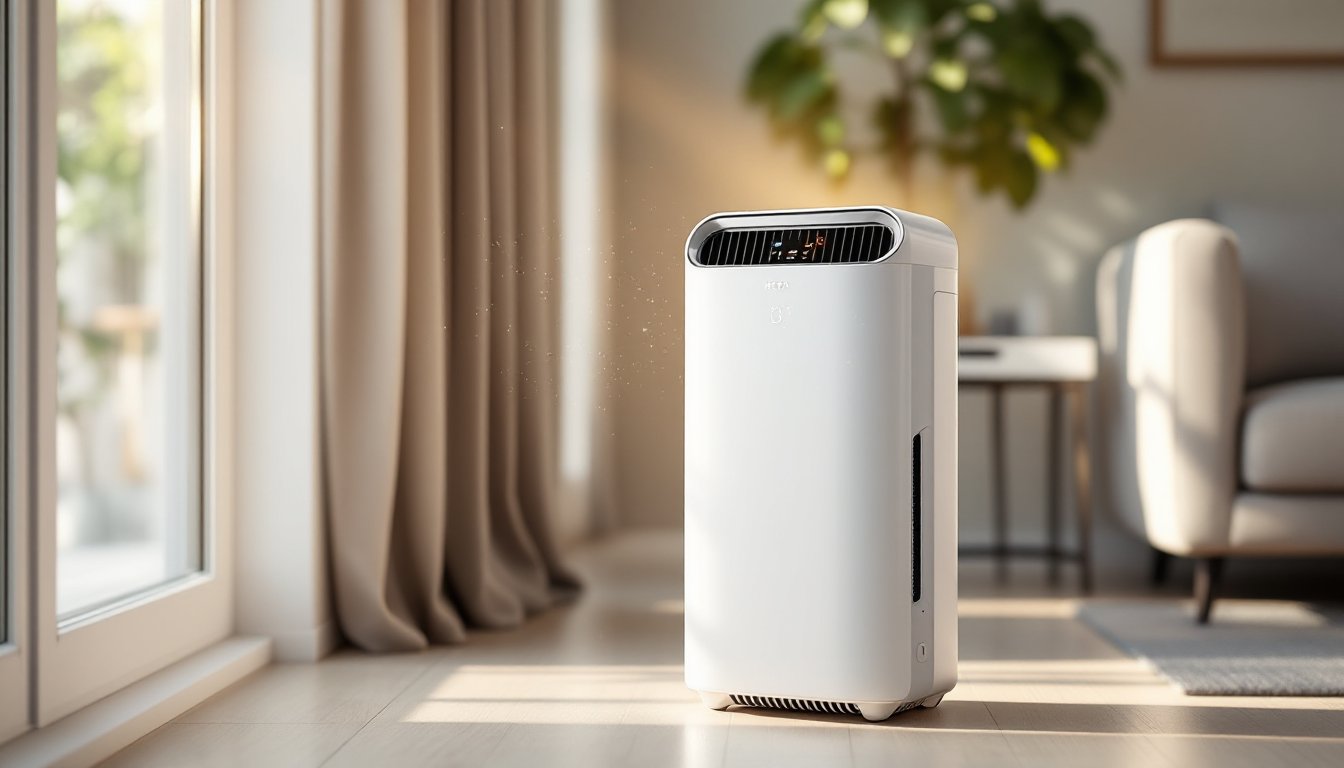
HEPA (High-Efficiency Particulate Air) filters are the gold standard for capturing solid particles. They trap 99.97% of particles down to 0.3 microns, that includes dust, pollen, pet dander, and fine particulates. Most Lowe’s air purifier models use HEPA filters as their primary stage. HEPA-only units are straightforward, reliable, and don’t require smartphone connectivity or complex setup. They’re ideal if you just want to turn it on and breathe cleaner air. The trade-off: HEPA filters need replacing every 6 to 12 months depending on use, which is an ongoing cost.
Smart and Connected Models
Smart air purifiers integrate with your home’s WiFi, letting you monitor air quality in real time through an app, adjust fan speed remotely, and set schedules. Many include air quality sensors that automatically increase fan speed when pollution spikes. Some models sync with voice assistants like Alexa or Google Home. If you want hands-off operation or like tracking air quality data, these are worth the premium price. The convenience shines if you’re away from home frequently or want to pre-clean your space before arriving.
Key Features to Consider Before Buying
Room Size Coverage: Every air purifier has a maximum coverage area measured in square feet. A unit rated for 300 square feet won’t clean a 500-square-foot living room effectively. Check the CADR (Clean Air Delivery Rate) number, higher CADR means faster air cleaning. Don’t guess: measure your room or look it up.
Fan Noise Level: Air purifiers produce noise, measured in decibels. Quiet units run around 25–30 dB (near library quiet): louder ones hit 60+ dB (normal conversation). If your bedroom is small and quiet, a louder purifier will disrupt sleep. Check decibel ratings, especially on higher fan speeds.
Filter Replacement Costs and Frequency: HEPA filters aren’t cheap, replacement filters run $20 to $80 depending on the model. Some units need filters changed twice yearly in dusty environments. Factor that into your decision. A cheaper unit with expensive filters might cost more over time.
Carbon Filters for Odors and VOCs: Basic HEPA filters catch particles but won’t remove odors, smoke, or chemical off-gassing. If you have pets, smoke nearby, or new furniture, look for a model with activated carbon pre-filters or combined filters. This is essential for smell control.
Auto Mode and Sensors: Units with built-in air quality sensors automatically adjust fan speed based on pollution levels, saving energy while keeping air clean. Auto mode is genuinely useful if you don’t want to manually fiddle with settings.
Popular Lowe’s Air Purifier Options for Different Budgets
Budget-Friendly Options ($100–$250): Entry-level Lowe’s air purifier models with basic HEPA filters work well for small to medium rooms. These are no-fuss units, plug in, turn on, replace filters annually. Good for bedrooms, offices, or nurseries. You won’t get smart features or fancy sensors, but you get the core function: cleaner air.
Mid-Range ($250–$600): This tier offers larger coverage areas, quieter operation, and often includes carbon pre-filters for odor control. Many mid-range models at Lowe’s have auto-sensing features and adjustable fan speeds. This is where you find good value, enough features to be genuinely useful without overpaying for connectivity you might not need. According to comprehensive reviews on home appliances and tested recommendations, this price point delivers the best balance for most households.
Premium ($600+): High-end air purifiers include WiFi connectivity, smartphone apps, voice control integration, advanced filtration stages, and whisper-quiet operation. Some include UV-C light or ionization technology (though these are debated in effectiveness). Premium models suit larger homes, people with severe allergies, or anyone who wants real-time air quality monitoring. Smart home product reviews and home technology buying guides often highlight premium models’ convenience features and performance metrics.
When comparing specific models at Lowe’s, cross-reference reviews and CADR ratings. Avoid being swayed by buzzwords like “hospital-grade” or “lab-tested”, what matters is the CADR number and filter type.
Installation and Maintenance Tips
Most Lowe’s air purifiers need minimal setup. Unpack, remove the plastic packaging from the filter, plug it in, and you’re running. But a few smart moves make them work better:
Placement: Position your air purifier in a central location, away from walls and furniture that block airflow. If you’re treating a bedroom, place it across the room from where you sleep so air flows toward you. Avoid tight corners or closets, the unit needs clear space around the intake vents.
Pre-Filter Maintenance: Many units have pre-filters (cloth or foam layers before the HEPA filter) that you can vacuum monthly instead of replacing. This extends HEPA filter life significantly. Gently vacuum the pre-filter with a soft brush attachment, don’t rinse it unless the manual says it’s washable.
Filter Replacement Schedule: Mark your calendar. Most HEPA filters last 6–12 months depending on air quality and fan speed. Heavily polluted areas or homes with pets need changes more often. Some smart units alert you via app when replacement is due. Always buy the correct replacement filter for your model, cross-fitting filters won’t seal properly and won’t work.
Ongoing Operation: Run your air purifier continuously or at least several hours daily for best results. If noise is an issue at night, use the low or auto fan setting. Regular operation is more effective than running it full blast for an hour. For a Lowe’s air purifier to deliver maximum benefit, consistency matters more than intensity.
Cleaning the Unit: Dust the exterior and vents monthly with a dry cloth. Don’t spray cleaners directly on it. Check intake grilles aren’t clogged with dust, a blocked intake forces the motor to work harder and wears it out faster. Get full reviews and detailed specifications from product review sources that test real-world performance under different conditions.