
Table of Contents
ToggleA custom refrigerator isn’t just another appliance, it’s a statement piece that bridges kitchen design and everyday functionality. Whether you’re renovating a high-end primary residence or upgrading a dated kitchen, a custom refrigerator lets you control finishes, dimensions, and features in ways off-the-shelf models simply can’t match. The shift toward personalized home spaces has made custom refrigerators more accessible than ever, with options ranging from semi-custom configurations to fully bespoke builds. This guide breaks down what makes these units worth the investment, what to expect during design and installation, and how to keep your investment running smoothly for years.
Key Takeaways
- A custom refrigerator solves dimensional and design problems that standard models can’t address, making it essential for kitchens with specific layout requirements or high-end design visions.
- Custom refrigerators typically cost 30–50% more than comparable standard models but offer superior build quality, longer lifespans (15–20 years), and significant resale appeal for homeowners planning to stay 10+ years.
- Choose between built-in models for seamless cabinetry integration or freestanding units for easier installation and future flexibility, with semi-custom options bridging both approaches.
- Installation costs and preparation work—including electrical upgrades, cabinetry modifications, and old unit removal—can add $500–$2,000 to your project budget, so plan accordingly before purchasing.
- Routine maintenance like cleaning condenser coils every 3–6 months, checking door seals annually, and verifying temperature settings protects your custom refrigerator investment and ensures peak performance.
What Makes a Custom Refrigerator Worth the Investment
Custom refrigerators solve problems that stock models leave unsolved. If your kitchen layout demands a 42-inch-wide unit or a specific 84-inch height to fit seamlessly under soffit, a semi-custom or fully custom fridge becomes the only practical solution, not a luxury.
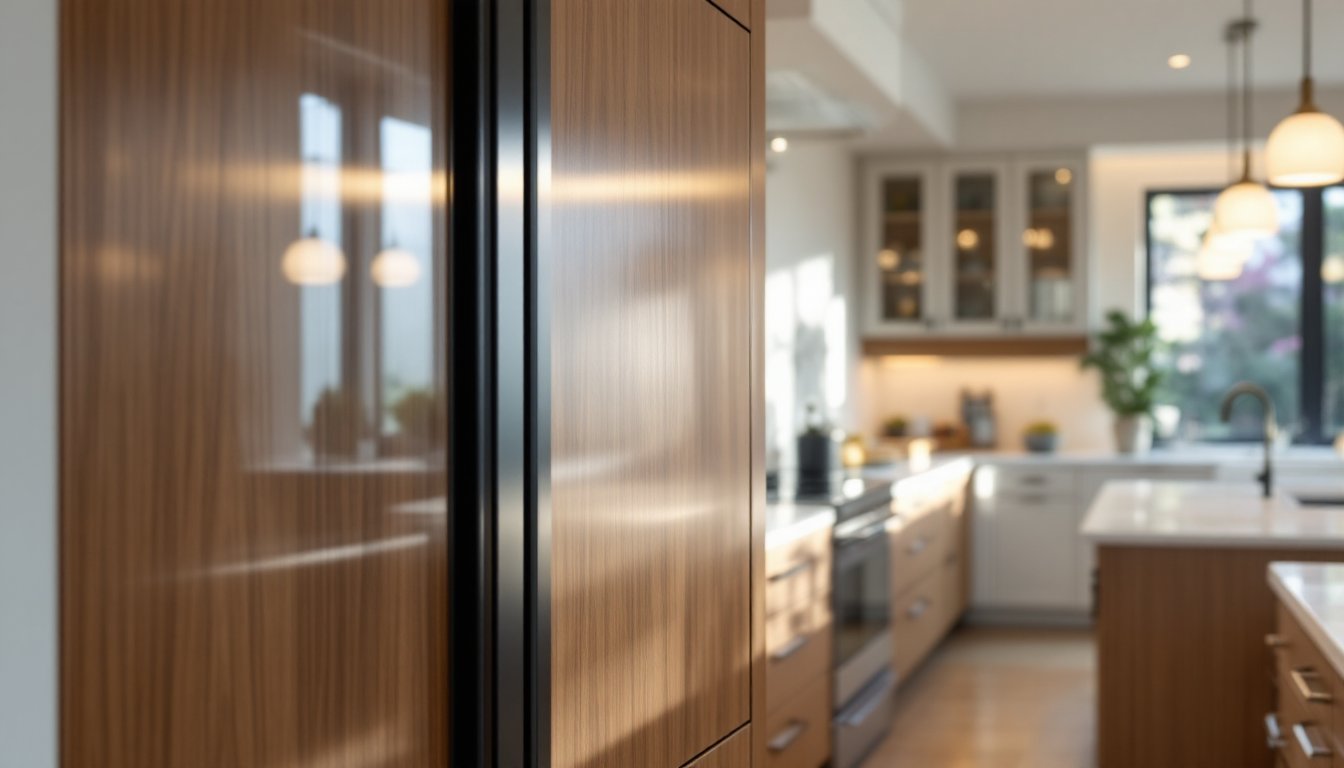
The real value lies in alignment. A mass-produced refrigerator with a stainless steel front might clash with your kitchen’s design direction. A custom model lets you choose panels that match cabinetry, select handle hardware that complements your fixtures, or integrate a fully integrated design where the fridge disappears behind cabinet panels. You gain control over interior configurations too: adjustable shelving, specialized drawers for wine or deli meats, and ice-maker placement all become negotiable.
Performance and reliability matter here as well. Many custom refrigerator manufacturers prioritize build quality, better compressors, improved insulation, and superior temperature management, compared to budget mainstream brands. These units typically last 15–20 years with proper maintenance, offsetting the higher upfront cost over time.
Budget impacts value perception. A custom unit costs 30–50% more than a comparable standard fridge, so the justification depends on your renovation scope and timeline. If you’re doing a mid-to-high-end kitchen overhaul and expect to stay in the home for 10+ years, the investment pays dividends in resale appeal and daily satisfaction.
Design Options and Customization Features
Built-In vs. Freestanding Custom Models
Built-in custom refrigerators sit flush with surrounding cabinetry, with no visible gap and full cabinet panel integration. They require a precise cutout and professional installation, think of the rough opening like framing a window. Built-in models typically measure 24, 30, or 36 inches wide and mount at consistent heights (often 84 inches from floor to top of unit). The upside: they look seamless and elegant. The downside: installation is permanent, and replacing one means potential cabinet modification.
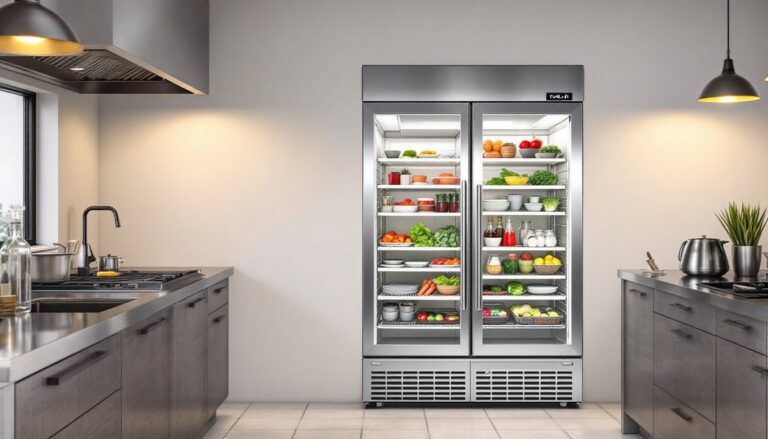
Freestanding custom models sit independently and are easier to swap later. They’re available in wider footprints (42 inches and beyond) and don’t require cabinet integration. Setup is simpler: deliver, unbox, plug in, set the thermostat. Freestanding models work well if you want flexibility or plan to move the appliance in future renovations.
Many homeowners choose semi-custom options that offer the visual polish of built-in units with easier installation and service access. Brands like Miele and Dacor make high-performing semi-custom fridges that satisfy both camps. A recent roundup of the best built-in refrigerators shows how premium manufacturers prioritize both aesthetics and longevity.
Materials, Finishes, and Aesthetic Appeal
Finish choices define a custom refrigerator’s visual impact. Stainless steel remains the standard, durable, modern, and resistant to fingerprints (though matte finishes hide prints better than polished). Panel-ready models accept custom cabinet fronts, allowing you to match existing cabinetry grain and color exactly. Colored enamel finishes, matte black, cream, navy, are trending for farmhouse and transitional kitchens.
Handle style matters more than most realize. A large modern bar handle reads differently than a recessed pull or a thin edge grip. Some custom models let you order different handles for different zones, or swap them later without tools.
Interior materials also vary. Stainless steel liners are standard and easy to clean. Glass shelves look refined but are heavier and more expensive. Plastic-coated shelves are lighter and flexible but scratch more easily. Consider your household’s style, glass suits a sleek, minimalist kitchen: plastic-coated works fine if shelves stay relatively hidden or you prioritize durability over appearance.
Resources like The Kitchn offer real-world kitchen design insights and appliance recommendations that can help guide your aesthetic decisions.
Budget Considerations and Cost Breakdown
A basic semi-custom refrigerator starts around $3,000–$4,000. Fully custom units run $4,500–$8,000+, depending on size, finish, and features. Factor in delivery and installation: $300–$1,000 depending on local labor rates and whether your layout requires cabinetry modifications.
What drives cost? Compressor quality, the amount of customization, capacity, and features like ice makers or advanced cooling zones all factor in. A 36-inch-wide French-door custom fridge with panel-ready cabinetry costs less than a 42-inch side-by-side with integrated electronics and specialty storage.
Don’t underestimate prep costs. If your kitchen needs new electrical circuits, reinforced flooring beneath a heavier unit, or cabinet modifications to fit, add $500–$2,000 to the project budget. Some kitchens require a permit and inspection for electrical work, contact your local building department first.
Hidden costs emerge too. Moving an old refrigerator (removal and disposal) runs $150–$300. If cabinet work is needed, trim and finish labor adds up. Get written quotes from your installer and cabinetmaker before committing. Prices vary widely by region and material availability: ask neighbors or contractors what typical mark-ups run in your area.
Funding options include home equity lines of credit, which often carry lower rates than general consumer loans. If the refrigerator is part of a larger kitchen renovation, spreading the cost across the entire project can simplify financing and tax implications.
Installation and Maintenance Tips
Installation varies by model. Freestanding units are straightforward: clear the space, remove packaging, set feet for level, plug in, and run the unit for 4–6 hours before loading food. Built-in units demand precision. The opening must be square, level, and sized exactly, measure twice, cut once. Cabinet adjustments, trim work, and electrical connections usually require a licensed installer. DIY installation of a built-in refrigerator is possible if you’re experienced with cabinetry and electrical work, but mistakes are costly.
Acclimation matters before you load groceries. Refrigerators need time to stabilize internal temperature and moisture levels. Rushing this step stresses the compressor and can trigger false defrost cycles. Manufacturers typically recommend waiting 24 hours after installation before fully stocking the unit.
Maintenance is simpler than most appliances. Clean the condenser coils (usually at the back or bottom) every 3–6 months using a vacuum with a brush attachment, dust buildup reduces cooling efficiency and forces the compressor to work harder. Check door seals annually by sliding a dollar bill around the frame: it should require light resistance to pull out. If the seal feels loose, replacement gaskets run $100–$250 and usually swap out without tools.
Temperature settings should hold 37–40°F for the main compartment and 0°F for the freezer. Invest in a simple appliance thermometer ($5–$15) and verify these monthly. If temperatures drift, check that vents aren’t blocked by food packaging, a common issue that homeowners overlook.
Water filters (if your unit has an ice maker or water dispenser) need replacement every 6–12 months. CNET’s appliance reviews include detailed maintenance guidance and reliability ratings across brands, which can help you anticipate service needs before issues arise.
If something fails, contact the manufacturer or a licensed appliance technician. Compressor repairs run $300–$800, and replacement parts are often proprietary, so choosing a manufacturer with solid warranty coverage and local service support matters.
Conclusion
A custom refrigerator demands upfront investment and planning, but delivers years of reliable performance and kitchen design cohesion. Measure carefully, understand the difference between built-in and freestanding layouts, and budget for both the unit and installation labor. Protect your investment with routine maintenance, clean coils, check seals, replace filters, and your custom fridge will remain a functional centerpiece rather than a regretful expense. For most kitchens, custom is the right choice when a stock model won’t fit the space or match the design vision.